If you want room to breathe without feeling cut off from Nashville, Forest Hills stands out for a simple reason: it offers space, privacy, and a strong connection to the natural landscape. For many buyers, that balance can be hard to find, especially if you are trying to avoid higher-density living while still staying connected to major roads and city destinations. This guide will help you understand what makes Forest Hills different, what kind of homes you can expect, and what to know before you buy here. Let’s dive in.
What Forest Hills feels like
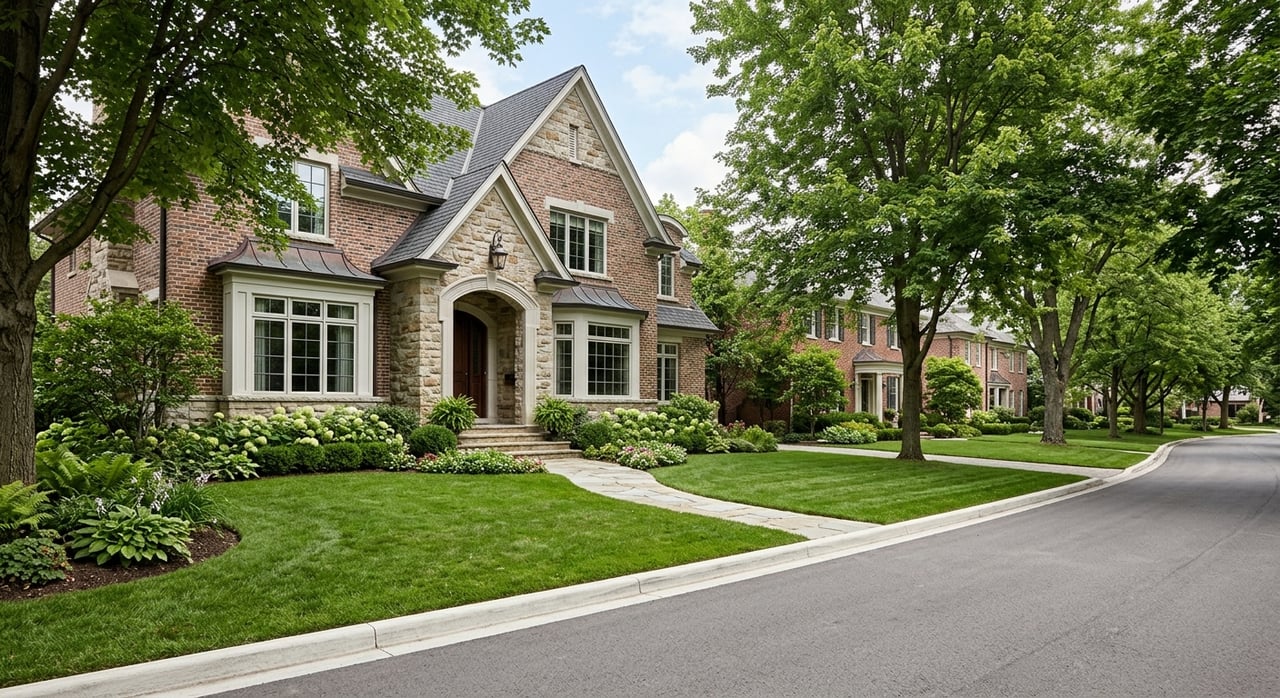
Forest Hills is an incorporated city in Davidson County, and its identity is closely tied to being a small, predominantly residential community. Official city and county planning sources describe it as low-density, almost entirely residential, with large, tree-filled lots and no commercial or industrial enterprises. In practical terms, that means you are looking at a place shaped more by landscape and privacy than by retail or mixed-use development.
That residential focus is a big part of the appeal. The city emphasizes its picturesque, pastoral setting, and local planning goals center on preservation rather than higher-intensity growth. If you are drawn to mature trees, quieter surroundings, and a more estate-style setting, Forest Hills offers a very specific kind of Nashville-area living.
Why space is a defining feature
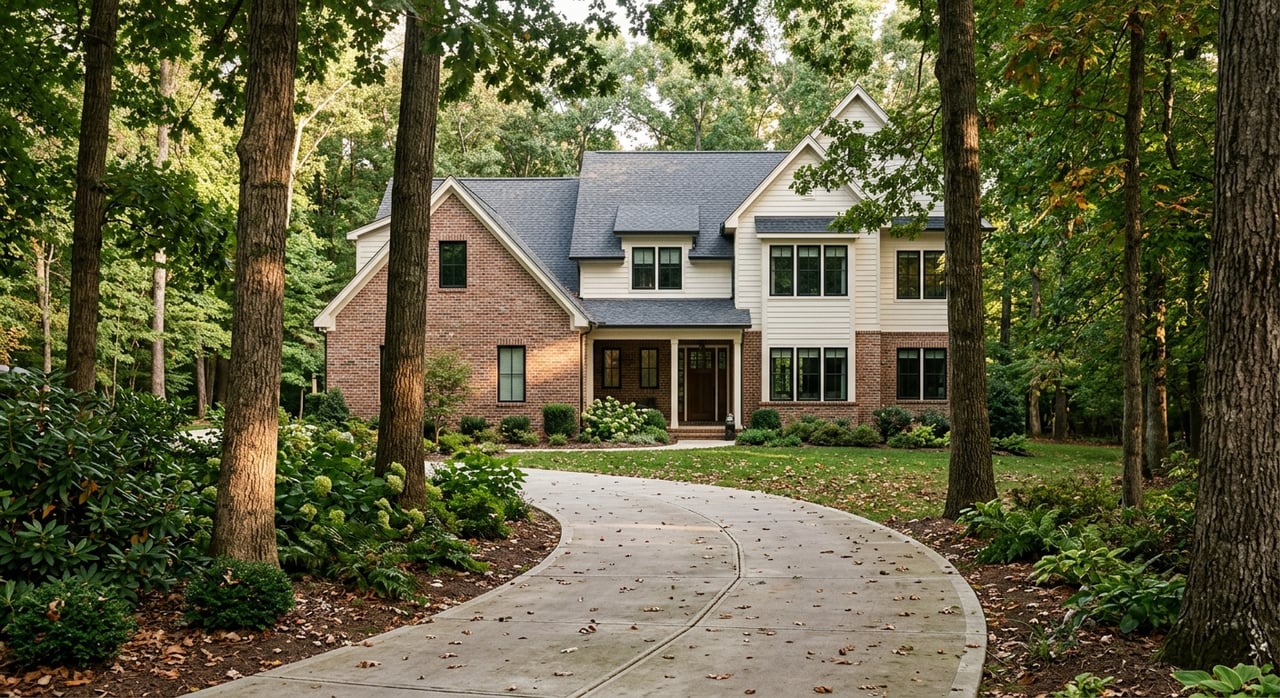
One of the clearest differences in Forest Hills is the lot pattern. The city’s comprehensive plan describes the area as a suburban-estate setting with an average density of about one house per two acres of land. That low-density layout helps create the sense of openness many buyers are looking for.
Instead of closely spaced homes on compact lots, Forest Hills is known for detached homes with wider setbacks and substantial landscaping. You will often see properties where the land itself is a major part of the value and the lifestyle. That can appeal to buyers who want more separation, a more private setting, or simply a home that feels more tucked into its surroundings.
Current listing examples support that profile. Available properties have included estate homes on more than three acres, renovation or build opportunities on roughly four acres, a nearly 10-acre gentleman’s farm, and a 21.45-acre parcel on Hillsboro Pike. While every listing is different, these examples show that Forest Hills is not a standard subdivision market.
What types of homes you may find
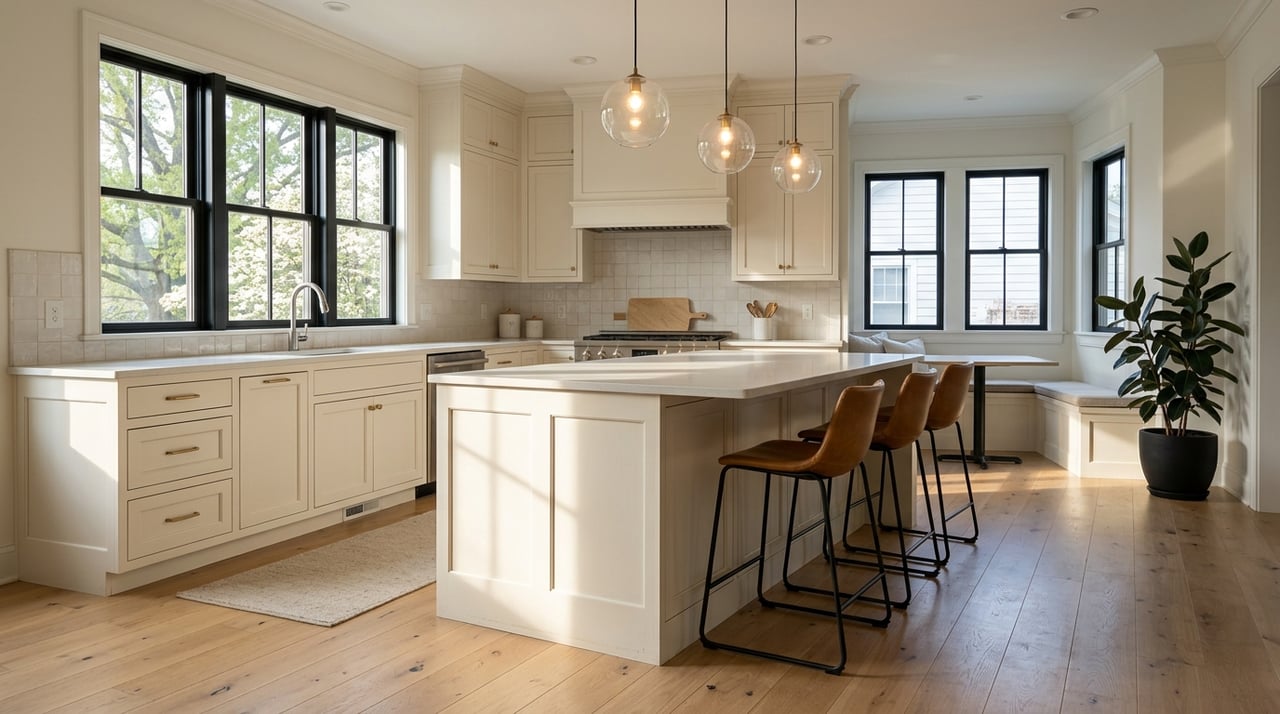
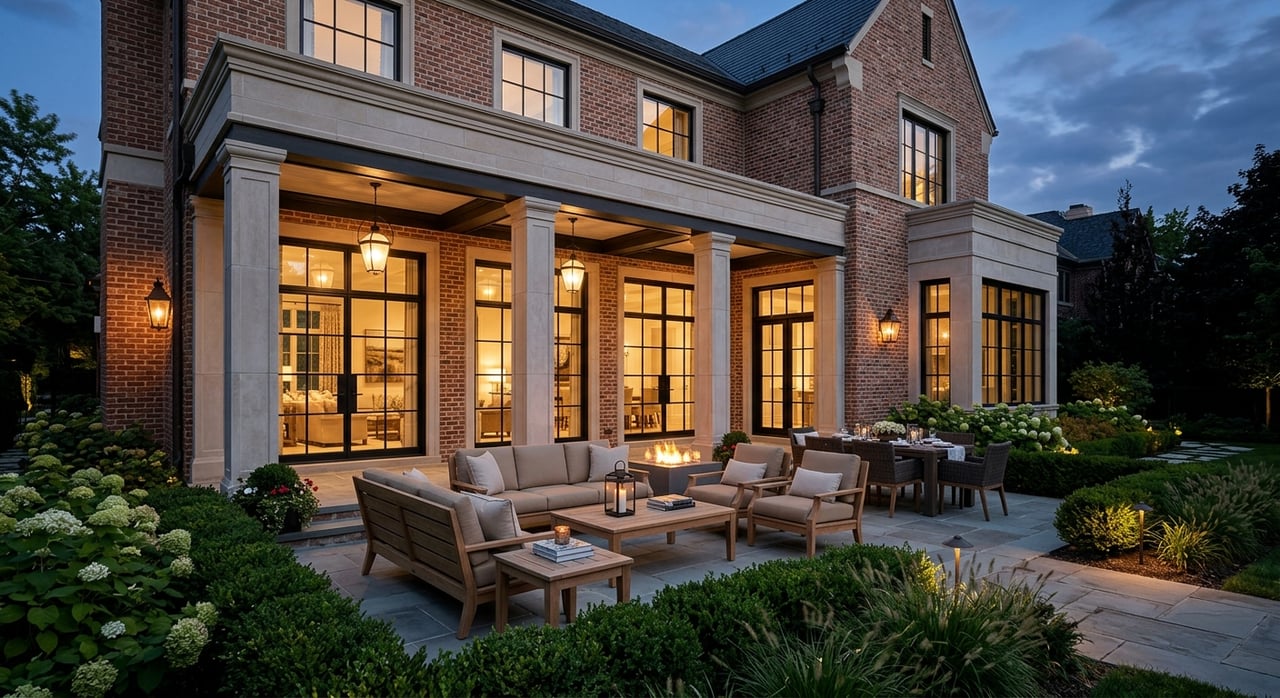
Forest Hills tends to attract buyers looking for detached homes with presence, land, and long-term potential. In this market, you may come across legacy properties, homes that have been carefully maintained over time, and properties that offer renovation opportunities. Some buyers are drawn to turnkey homes, while others are interested in updating an older residence on a strong lot.
Because the city is shaped by larger parcels and mature landscape, the housing stock often feels established rather than newly compressed. That gives the area a different rhythm from neighborhoods built around tighter lot lines or more uniform housing types. If land, privacy, and setting rank high on your list, this is one of the reasons Forest Hills stays on buyers’ radar.
How access to Nashville works
Forest Hills offers access to Nashville through major road corridors rather than through an urban, high-density setup. The city’s comprehensive plan identifies Harding Place, Granny White Pike, and Old Hickory Boulevard as boundary thoroughfares, while Hillsboro Road and Tyne Boulevard bisect the city. These roads are central to how residents move through the area and connect to the rest of Nashville.
That distinction matters if you are relocating and trying to picture daily life. Forest Hills is connected, but its planning documents make clear that the city has worked to preserve a quieter and more scenic road environment instead of leaning into a high-intensity highway feel. So when people talk about access here, they are usually talking about strong corridor connections paired with a more residential setting.
The city is also making improvements that fit that character. Current projects include a tree-planting grant along the Hillsboro Road corridor from Harding Place to Old Hickory Boulevard and the Tyne Boulevard Pathway Project. That planned pathway is expected to run about three-quarters of a mile and connect bike lanes on Hillsboro Pike to Robert E. Lee Drive and the John C. Lovell Bikeway.
Outdoor living is part of daily life
For many buyers, Forest Hills is as much about the outdoor setting as it is about the homes. The city highlights Bison Meadow, a wildflower park on Hillsboro Pike, and a 1.5-mile bikeway running from Percy Priest Elementary to Radnor Lake. Forest Hills also borders Radnor Lake State Natural Area on one side and the Warner Parks on the other, which gives residents close proximity to some of the area’s best-known natural spaces.
This is one of the biggest lifestyle advantages of the area. You are not just buying a house here. You are also buying into a setting where trees, trails, and open space shape the day-to-day experience in a very visible way.
The city has also announced plans for a new park called Aaittafama’, which will be created around a fifteenth-century village site. That reflects a broader local emphasis on preserving both natural and historical features. For buyers who value a setting with long-term stewardship, that can be a meaningful part of the bigger picture.
Why the tree canopy matters
In Forest Hills, mature landscaping is not just a visual detail. It is part of how the city manages growth and preserves its character. A 2025 city notice states that most tree removals require a permit, clear-cutting is prohibited, and each residential zoning district must maintain a tree-canopy ratio.
That is important to understand before you buy, especially if you are considering a renovation, an addition, or major site work. In some neighborhoods, lot changes may feel straightforward. In Forest Hills, trees, grading, hillside issues, and other site conditions can play a much bigger role in planning.
The city’s Building and Zoning process also includes permit review, hillside protection, floodplain information, and variances. None of that should scare you away, but it does mean due diligence matters. If you are looking at a property with big plans in mind, it helps to understand the local framework early.
What day-to-day ownership can look like
Forest Hills supports its residential, wooded environment with practical local services. The city provides chipper service, brush-and-leaf collection, and stormwater management resources. Those details may not be flashy, but they are useful when you live on a larger, more heavily landscaped property.
This kind of support fits the area well. In a community where lot size, trees, and natural drainage patterns are part of everyday ownership, city services and local rules can have a direct impact on how you maintain your property. Buyers coming from more typical subdivision settings may notice that ownership here comes with a slightly different rhythm.
The city homepage also highlights the opening of a new Percy Priest Elementary School in 2025. For buyers who want to understand local updates that may affect day-to-day life, details like this can help round out the picture.
Who tends to love Forest Hills
Forest Hills often appeals to buyers who want a more private residential setting without giving up access to Nashville’s main corridors. That can include relocation buyers, move-up buyers, and people who want more land than they are finding in denser parts of Davidson County. The draw is often less about being in the middle of everything and more about having a peaceful home base with practical connectivity.
It can also be a strong fit if you value long-term setting over short-term convenience. Forest Hills is not trying to be a mixed-use destination. Its identity is rooted in preservation, lower density, and a wooded residential feel.
If that sounds like your priorities, the area may feel like a natural match. The key is knowing what you are buying into and making sure the property, the lot, and your plans all line up.
What to know before buying in Forest Hills
Before you move forward on a home here, it helps to keep a few things in mind:
- Lot conditions matter. Trees, slopes, drainage, and access points can affect both usability and future plans.
- Renovation potential should be reviewed carefully. If you hope to expand, regrade, or remove trees, local rules may shape what is possible.
- Road access is a major lifestyle factor. Hillsboro Road, Old Hickory Boulevard, Tyne Boulevard, Harding Place, and Granny White Pike all play a role in how you move through the area.
- The setting is part of the value. In Forest Hills, privacy, landscape, and spacious parcels are not side features. They are central to the appeal.
A thoughtful buying strategy can make a big difference here. When you understand both the lifestyle and the property-level details, you are in a much better position to make a confident decision.
If you are exploring Forest Hills, it helps to work with an advisor who can give you clear, low-stress guidance and help you evaluate not just the home, but the full picture around it. If you want help navigating Forest Hills or comparing it with other Nashville-area options, reach out to Michael Morris West for personal, informed support.
FAQs
What is Forest Hills in Davidson County like?
- Forest Hills is a small, predominantly residential city known for low-density housing, large tree-filled lots, and a pastoral setting shaped by preservation goals.
What kinds of homes are common in Forest Hills?
- Forest Hills is known for detached homes on larger parcels, including estate-style properties, legacy homes, renovation opportunities, and occasional acreage holdings.
How do you get from Forest Hills to Nashville?
- Access typically runs through key corridors such as Hillsboro Road, Old Hickory Boulevard, Tyne Boulevard, Harding Place, and Granny White Pike.
What outdoor amenities are near Forest Hills?
- Forest Hills features Bison Meadow and a city bikeway, and it borders Radnor Lake State Natural Area and the Warner Parks.
What should buyers know about property changes in Forest Hills?
- Buyers should know that tree removal, grading, hillside work, and some other site changes may require permits or city review, and local tree-canopy rules are part of the development framework.
Why do buyers choose Forest Hills for privacy and space?
- Many buyers are drawn to Forest Hills because the city’s low-density layout, larger lots, mature trees, and residential character create a greater sense of privacy and openness.