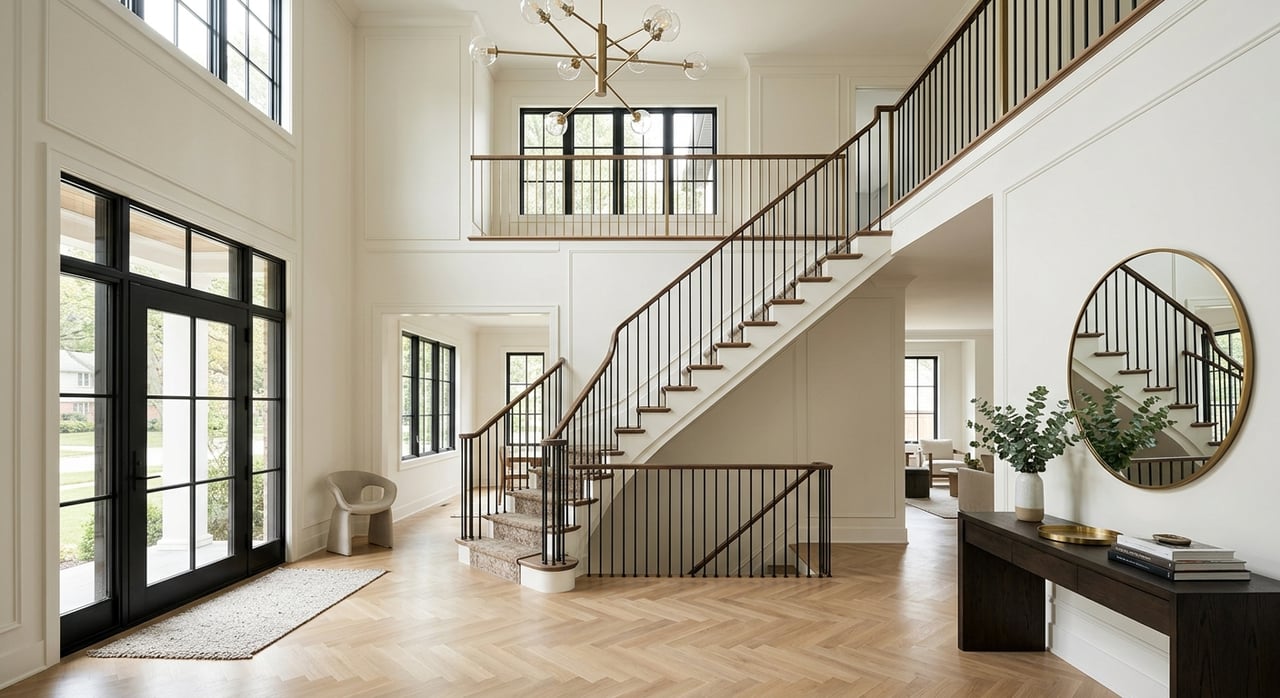
If you are trying to figure out whether Germantown feels more like a classic suburb or a place where you can still find something brand new, the answer is both. That mix is part of what makes this Shelby County city stand out for buyers who want established streets, everyday convenience, and newer home options in the same market. In this guide, you will get a clear look at Germantown’s neighborhoods, housing styles, new-build opportunities, and daily lifestyle so you can decide if it fits what you want. Let’s dive in.
Germantown at a glance
Germantown sits in southeast Shelby County and is one of six suburban municipalities next to Memphis. City Hall is about 17 miles from downtown Memphis, and the location is also convenient to Memphis International Airport.
The city was established in 1841, and that long history still shows up in the way Germantown is laid out today. Instead of feeling like one giant master-planned subdivision, it has a more layered feel with older areas, established residential enclaves, and newer development mixed in.
Established neighborhoods shape Germantown
One of the clearest things you notice about Germantown is how many named neighborhoods it has. The city identifies more than 75 organized neighborhood or homeowners associations, and it also has a Neighborhood Preservation Commission focused on preserving the integrity of residential neighborhoods.
That structure gives many parts of Germantown a settled, established feel. The city’s neighborhood pages reference communities such as Dogwood Creek, Dogwood Forest, Dogwood Grove, Duntreath, English Meadows, Germantown East, Germantown Park, Germantown Trails, Glenalden, Grove Park, Kimbrough Grove, Lansdowne Place, Oakleigh III, and Poplar Estates.
For you as a buyer, that means Germantown is less about one single housing style and more about choosing the kind of setting you prefer. Some areas may feel more traditional and tucked in, while others may offer a slightly newer layout or different lot pattern.
Old Germantown adds historic context
Old Germantown is identified by the city as the historic core of the community. City offices are located next to Depot Park in this area, which helps anchor the city’s sense of place.
If you value a suburb with roots and local identity, that matters. Even if you are not buying in the historic core itself, the presence of Old Germantown helps explain why the city feels more established than a newer outer-ring suburb.
What established suburban homes look like
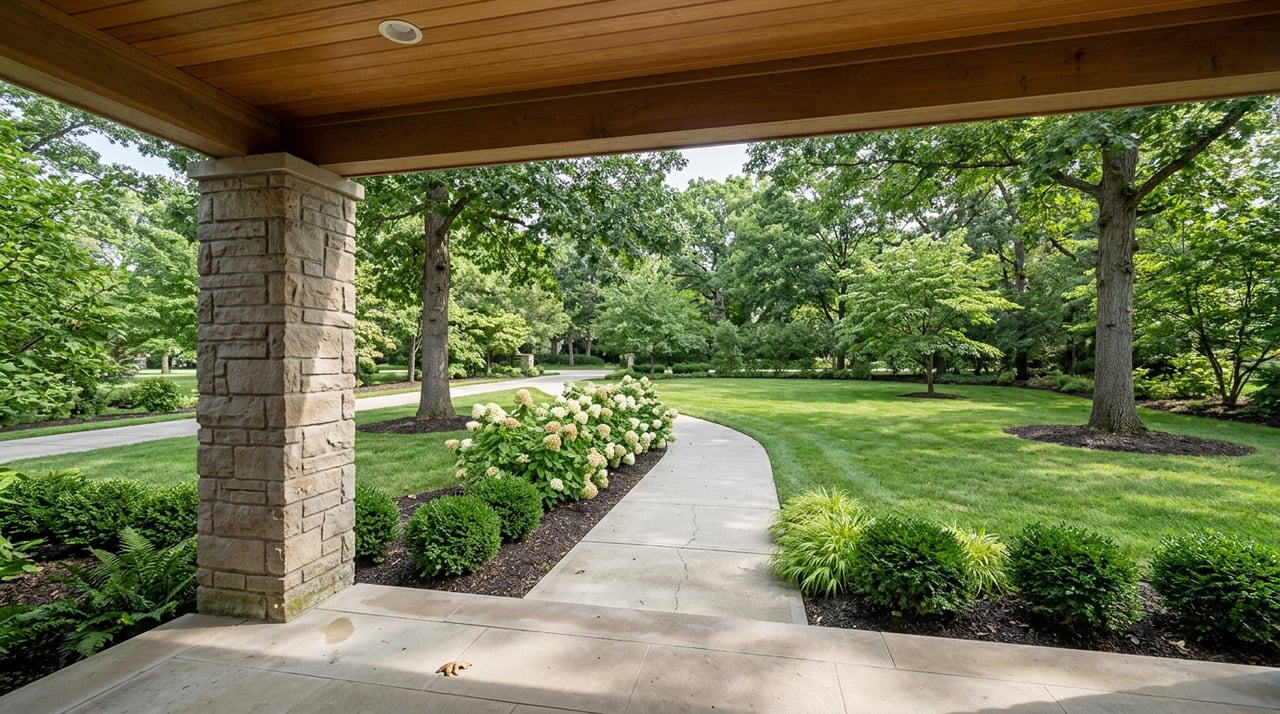
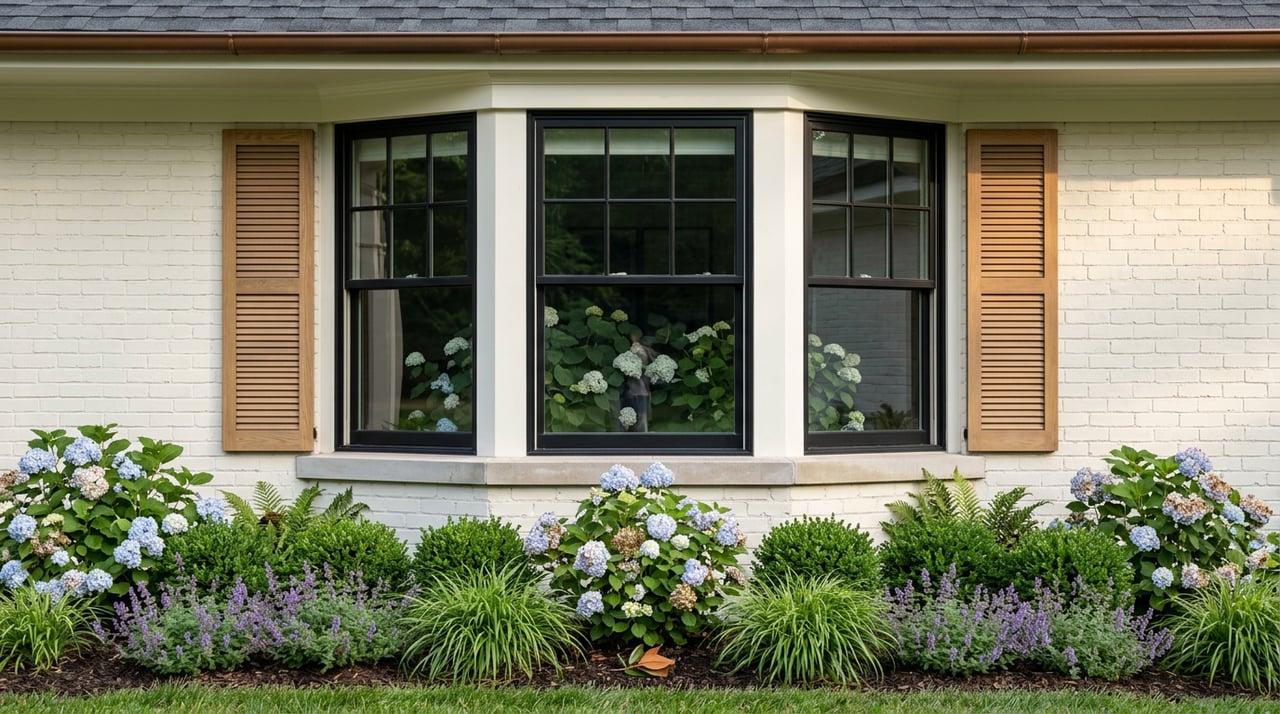
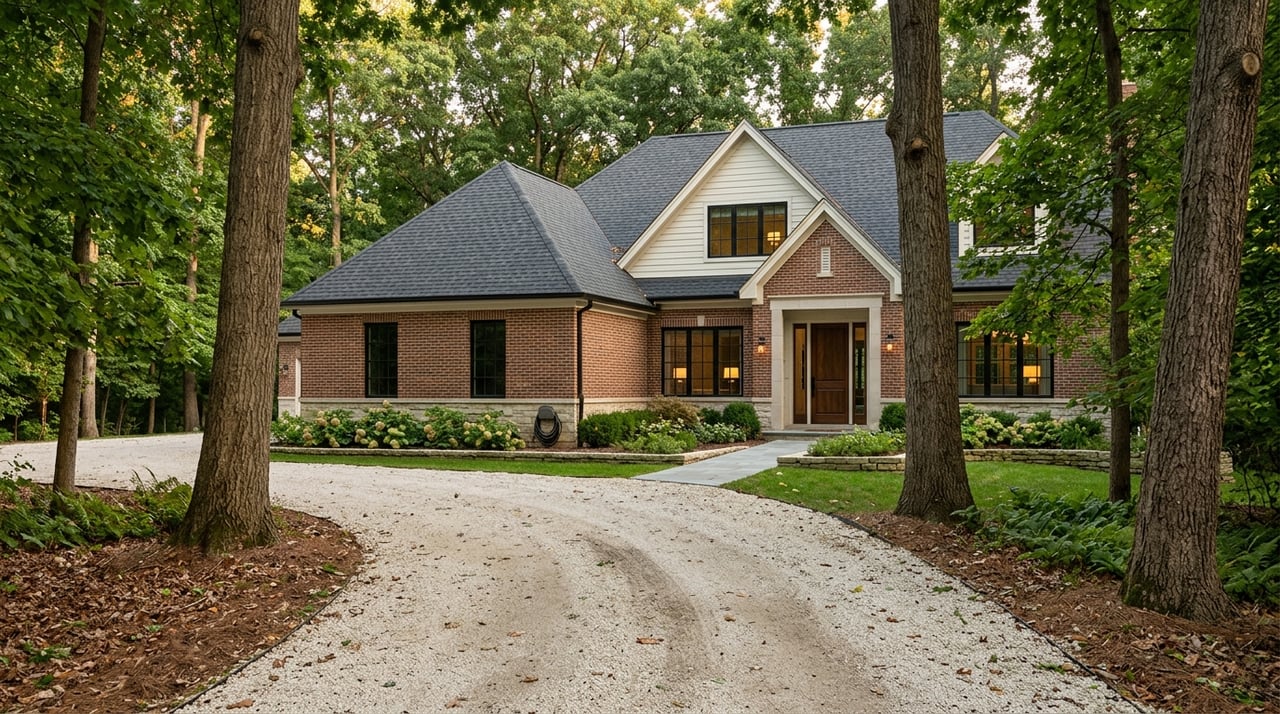
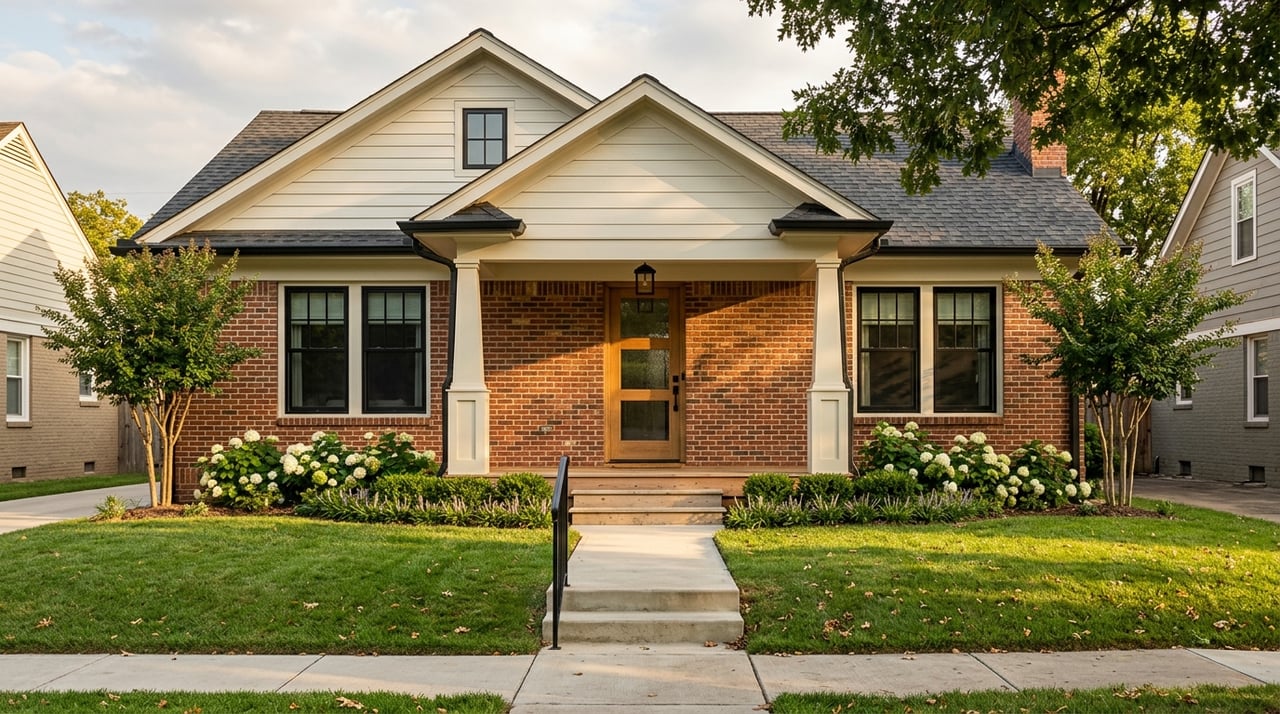
A big part of Germantown’s appeal is its traditional suburban housing stock. Recent listing examples point to brick homes, ranches, cottage-style one-story homes, and larger traditional homes with features like formal rooms, courtyards, screened porches, mature landscaping, and tree-lined lots.
In practical terms, that often means you will see homes with more classic architecture and more developed surroundings. Mature trees, established streetscapes, and one-level or one-story living options can be a major draw if you want a home that feels settled from day one.
Some listings also show the range within the established market. You may find a simpler one-level home in one part of Germantown and a larger traditional property with more formal spaces in another.
Why older neighborhoods still attract buyers
Established neighborhoods often appeal to buyers who want predictability in the streetscape and a stronger sense of place. In Germantown, that can mean recognizable neighborhood names, mature landscaping, and homes that do not all look the same.
That does not automatically mean every older home is the right fit for every buyer. You may need to weigh layout preferences, renovation needs, and maintenance expectations against the benefits of lot size, trees, and architectural character.
New construction is part of the story too
While Germantown is known for its established suburbs, new construction is still very much part of the market. The city’s Planning Division reviews plat layouts for new residential subdivisions, showing that development is active and closely managed.
A recent example is Wilder at Forest Hill, which hosted the 2025 Vesta Home Show. Current new-construction listings there include 4- to 5-bedroom homes ranging from about 3,920 to 5,340 square feet, with prices around $1.05 million to $1.275 million.
That gives you a useful snapshot of what new builds may look like in Germantown right now. They tend to be larger homes in a higher price tier, rather than entry-level new construction.
Who new builds may fit best
A new-build home may appeal to you if you want modern layouts, newer systems, and less immediate maintenance. Buyers who like open living spaces, updated finishes, and the feeling of being the first owner often focus on this part of the market.
At the same time, Germantown’s new construction does not replace its established character. Instead, it adds another option for buyers who want the city’s location and lifestyle but prefer a more current home design.
Germantown lifestyle beyond the house
Choosing Germantown is not only about the home itself. The city’s parks, trails, and civic amenities play a big role in daily life.
Germantown says it has 29 parks and green spaces covering more than 600 acres. The city also says recreation opportunities are within a half mile of every home, which speaks to how integrated parks are into the community.
The Germantown Greenway has more than 10 miles complete of a planned 22-mile trail system. Its purpose is to link parks, schools, and neighborhoods, which helps explain why outdoor access is one of Germantown’s most visible lifestyle features.
Arts, library, and everyday routines
The city also operates the Germantown Community Library, and the Germantown Performing Arts Center is identified as an 800-seat performance hall. These amenities add another layer to the area’s daily rhythm and give residents more than just residential streets and shopping centers.
For errands, dining, and retail, Poplar Avenue is a major corridor. The city highlights dining, retail, parks, and recreation as part of Germantown’s appeal, and Germantown Village shopping center continues to see activity, including approval for a new Hattie B’s location in 2026.
What the market looks like right now
If you are trying to understand whether Germantown is moving fast, current market trackers suggest a fairly active market. Realtor.com reports 307 homes for sale, a median list price of $525,000, 40 days on market, and a 98% sale-to-list-price ratio.
Redfin reports a median sale price of $480,000, with homes going pending in about 24 days. While any individual home can behave differently based on condition, price point, and location, those numbers suggest buyers should be prepared and sellers should take pricing seriously.
What that means for buyers and sellers
For buyers, a market like this can require clear priorities. If you are deciding between an established home and a new build, it helps to know in advance which tradeoffs matter most to you, such as lot size, layout, updates, or timeline.
For sellers, Germantown’s mix of housing types means positioning matters. A well-presented traditional brick home and a newer luxury property may attract different buyers, so pricing and marketing should reflect the home’s actual strengths.
Getting around Germantown
Germantown still follows a suburban transportation pattern. The city maintains nearly 220 miles of roads, while Germantown Road and Poplar Avenue are maintained by the Tennessee Department of Transportation.
That reinforces how important the main arterial roads are for daily travel. Road projects may also involve Shelby County or the State of Tennessee, which is useful context if you are evaluating commute patterns or access around town.
Public transit is available through MATA, which serves the City of Memphis and parts of Shelby County through fixed-route buses, paratransit, and trolleys. Even so, many buyers will likely experience Germantown primarily as a car-oriented suburb.
New resident basics to know
If you move to Germantown, a few setup details are straightforward. The city directs homeowners to MLGW for electric and gas service and to the Shelby County Clerk for vehicle registration.
The city also notes that Germantown residents do not need a vehicle inspection to obtain Tennessee tags. Small details like that can make your move feel more manageable when you are coordinating everything at once.
Is Germantown right for you?
Germantown can make sense if you want a suburb with a long-established identity, a wide range of named neighborhoods, and housing that spans classic brick homes to larger new-construction properties. It also stands out for parks, greenways, and everyday convenience along major local corridors.
What really sets it apart is the combination. You are not choosing between history and growth here. In many ways, Germantown gives you both, which can open up more options depending on your budget, style, and timeline.
If you are comparing suburban communities and want thoughtful guidance on how different home styles, neighborhoods, and price points fit your goals, Michael Morris West is here to help you move with clarity and confidence.
FAQs
What is Germantown, Tennessee known for in the Memphis area?
- Germantown is known for its established suburban setting, more than 75 organized neighborhood associations, extensive parks and green spaces, and a mix of traditional homes and newer construction.
What kinds of homes can you find in Germantown, Tennessee?
- You can find traditional brick homes, ranches, cottage-style one-story homes, larger traditional properties, and some newer luxury construction in communities such as Wilder at Forest Hill.
Are there new construction homes in Germantown, Tennessee?
- Yes. Germantown has ongoing residential development, and recent new-construction listings at Wilder at Forest Hill show larger homes in roughly the $1.05 million to $1.275 million range.
How far is Germantown, Tennessee from downtown Memphis?
- According to the city, Germantown City Hall is about 17 miles from downtown Memphis.
What is everyday life like in Germantown, Tennessee?
- Daily life in Germantown includes access to 29 parks and green spaces, the Germantown Greenway, the community library, the Germantown Performing Arts Center, and shopping and dining concentrated along Poplar Avenue.
Is Germantown, Tennessee a fast-moving housing market?
- Recent market trackers show an active market, with Realtor.com reporting 307 homes for sale and 40 days on market, while Redfin reports homes going pending in about 24 days.